Less Is More, But Better: How Minimalists Are Quietly Revolutionizing the Way We Buy Stationery
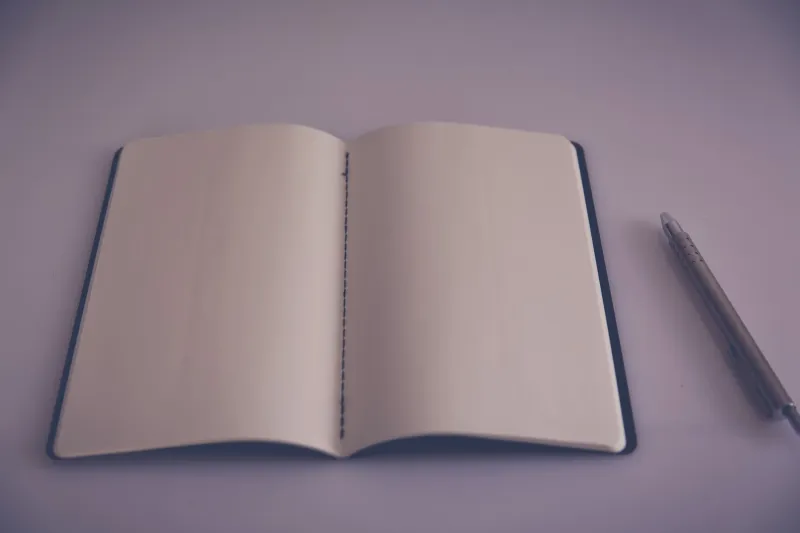
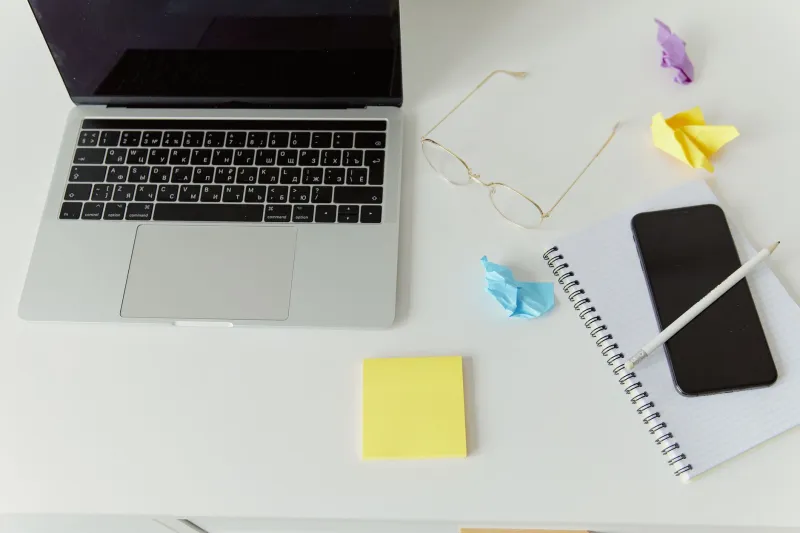
There's a certain kind of desk that gets a lot of attention on productivity forums and Instagram feeds alike. It's almost empty. A single notebook. One pen. Maybe a small pad of sticky notes if the owner is feeling generous. It looks almost austere — but spend five minutes talking to the person sitting behind it, and you'll find out that single notebook probably cost them $40.
Welcome to the minimalist stationery paradox: the less you own, the more you're willing to spend on what you keep.
The Shift From "Stocking Up" to "Curating"
For decades, the default approach to office supplies was abundance. Buy the 48-pack of ballpoints. Grab three pads of legal paper. Snag whatever sticky notes are on sale. The logic was simple — you use it, you run out, you buy more. Volume was the goal.
But something started shifting around the mid-2010s, right alongside the Marie Kondo wave and the broader cultural obsession with decluttering. Professionals and creatives began applying the same "does it spark joy" logic to their workspaces — and a surprising number of them landed on their stationery drawers.
"I used to have a whole cabinet full of notebooks I'd never finish," says Marcus, a UX designer based in Austin who now works with just two notebooks at a time — one for project notes, one for personal journaling. "I was buying cheap ones constantly, never really committing to any of them. Now I use one quality notebook and I actually fill the whole thing. It feels completely different."
That sentiment is echoed by productivity coaches across the country. The problem with cheap, plentiful stationery isn't just aesthetic — it's psychological. When something feels disposable, we treat it that way. Notes get sloppy. Ideas get half-formed. The notebook gets abandoned in a drawer somewhere around page 12.
Why Quality Changes the Way You Work
Here's where the paradox really kicks in. Minimalists aren't just buying less — they're buying better, and that upgrade has a measurable effect on how they actually use their tools.
Paper quality, for instance, isn't just about feel. Heavier, smoother paper reduces ink bleed, which means your notes are cleaner and easier to revisit. A well-bound notebook lies flat on a desk, which sounds minor until you've spent years fighting a cheap spiral binding that digs into your wrist. These aren't luxury indulgences — they're functional improvements that make the act of writing more pleasant and therefore more consistent.
Productivity researcher and author Diane Cho, who consults with Fortune 500 teams on workflow optimization, puts it bluntly: "The tools you reach for without thinking are the ones that feel good to use. Nobody reaches for the scratchy pen. Nobody commits to the notebook that smells like a storage unit. When you invest in something you actually love using, you use it more."
That's the minimalist math. One $45 notebook that you fill completely delivers more value than six $8 notebooks that get abandoned. One pen that writes smoothly every single time beats a cup full of dried-out freebies.
The Curation Mindset
So how do minimalist professionals actually go about building their stationery kits? The approach tends to follow a few consistent principles.
Start with function, then quality. Before buying anything, minimalists ask what they actually need the item to do. A graphic designer working on client presentations needs different paper tools than a novelist drafting longhand. Once the function is clear, the goal is to find the single best option for that purpose — not the most popular, not the cheapest, not the one that comes in a variety pack.
Resist the "just in case" purchase. This is where most people fall off the minimalist wagon. The 10-pack of legal pads feels practical. It probably isn't. Minimalists keep a short list of what they actually consume and replenish only those things — nothing more.
Pay attention to what you actually use. Nadia, a freelance copywriter in Chicago, spent three months tracking which of her stationery items she reached for daily versus which ones gathered dust. "I had this whole collection of washi tape and specialty pens I thought I'd use for planning. I used them maybe twice. Now I have one planner, one pen I genuinely love, and a small stack of index cards. That's it. I'm more organized than I've ever been."
The Business Case for Buying Up
For professionals who use stationery as part of their client-facing work — think consultants who take handwritten notes in meetings, or real estate agents who send personal thank-you cards — the quality argument becomes even stronger.
The paper you write on communicates something before a single word is read. Heavy cardstock signals permanence. Smooth, bright white paper reads as clean and professional. Recycled kraft paper says something about your values. These aren't small details; they're brand signals.
Spending $30 on a quality notepad instead of $8 on its budget equivalent isn't extravagance — it's a professional investment with a real return. And when you're only buying one or two items instead of a cartload, the per-item spend feels a lot more reasonable.
The Minimalist Starter Kit
If you're ready to pare down your own stationery setup, here's a practical starting point:
- One primary notebook — choose a size and binding style that works for how you actually write, and spend real money on it
- One or two quality pens — test before you commit; the right pen for your grip and writing speed makes a genuine difference
- A small notepad for quick capture — something that lives on your desk for fast notes that don't need to be permanent
- A modest supply of cards — for thank-yous, follow-ups, and the occasional handwritten note that a text message just can't replace
That's genuinely enough for most professionals. The goal isn't deprivation — it's clarity. When your desk holds only things you actually use and love, the work tends to follow.
The minimalist stationery movement isn't about spending less overall. It's about spending smarter, buying intentionally, and surrounding yourself with tools that make the work feel worth doing. In a world full of cheap options, choosing quality is a quiet act of rebellion — and a surprisingly effective productivity strategy.