From Pulp to Pushcart: The Wild Ride Your Office Paper Takes Before It Hits Your Desk
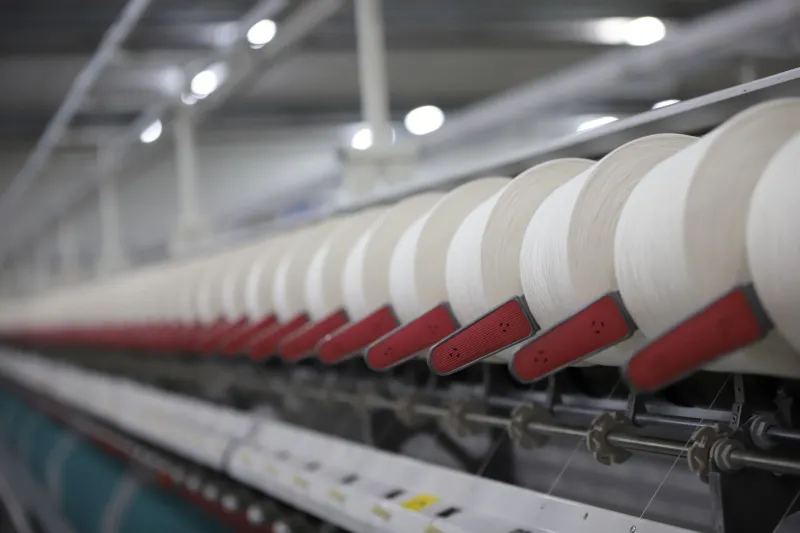
There's a decent chance the last time you thought about paper supply, it was 2020, the shelves were bare, and you were rationing printer paper like it was wartime sugar. Then everything went back to normal — or so it seemed. Behind the scenes, the pipeline that keeps American offices stocked is still a fragile, globe-spanning machine, and understanding it can save your business real money (and real panic).
The Journey Starts at the Mill
Every sheet begins as pulp — wood chips, recycled fiber, or increasingly, agricultural waste like bamboo and bagasse. The big pulp producers (think International Paper, Suzano in Brazil, UPM in Finland) sell to paper mills, which run massive machines the size of football fields, spitting out paper at speeds upward of 60 miles per hour.
Here's the thing most buyers never see: mills don't make paper on demand. They schedule production runs months out, and specialty stocks — the cotton-blend letterhead, the 100 lb cover stock your designer loves — get slotted in only when the math works. When demand for one grade spikes, everything else gets bumped. That's why your boutique paper order can suddenly become a 12-week wait while commodity copy paper sits fully stocked two aisles over.
Why Shortages Hit Some Shelves and Not Others
The 2021-2022 paper crunch wasn't one shortage — it was a dozen overlapping ones. Freight costs from Asia quadrupled at one point, making imported Japanese and European stocks temporarily absurd to price. Tariffs on certain Chinese paper products pushed importers toward US and Canadian alternatives, which then developed their own backlogs. Meanwhile, pulp capacity in North America actually shrank, as aging mills closed or converted to packaging — the one category e-commerce made boom.
The result: printer paper mostly recovered, but creative and specialty stocks still run thin in ways that surprise buyers. If your studio depends on a specific imported stock, you've probably already learned this lesson the expensive way.
What to Stockpile vs. What to Source on Demand
Not all paper deserves warehouse space. Our rough rule of thumb:
Stockpile (stable, long shelf life, price-volatile):
- Standard copy and printer paper — prices swing with pulp markets, and it never goes bad
- Envelopes in your most-used sizes
- Notebooks and pads you burn through monthly
Source on demand (specialty, perishable, or trend-driven):
- Custom letterhead and branded stock — rebrands make stockpiles worthless
- Trendy colors and finishes (remember when everything was kraft?)
- Acid-sensitive archival papers, which need proper storage anyway
The Boutique Layer
Between the mill and your desk sits a surprisingly deep bench of distributors, wholesalers, and — our favorite — curated retailers who do the taste-testing so you don't have to. A good stationery shop is essentially a supply chain filter: someone already vetted the mill, checked the consistency between batches, and said no to the flimsy stuff.
That layer costs a little more per ream. But when a client presentation is on the line, the premium for knowing the stock will behave in your printer is cheap insurance.
The Bottom Line
Paper isn't a commodity you should think about constantly — but it's not one you should ignore entirely, either. A modest stockpile of your workhorse supplies, a relationship with a retailer who can chase down specialty stock, and a rough awareness of pulp-market swings will keep your office running through whatever the supply chain throws at it next. The ream you take for granted earned its place on your desk the hard way.