Dots, Grids, and Blank Pages: Finding the Bullet Journal Setup That Actually Fits Your Life

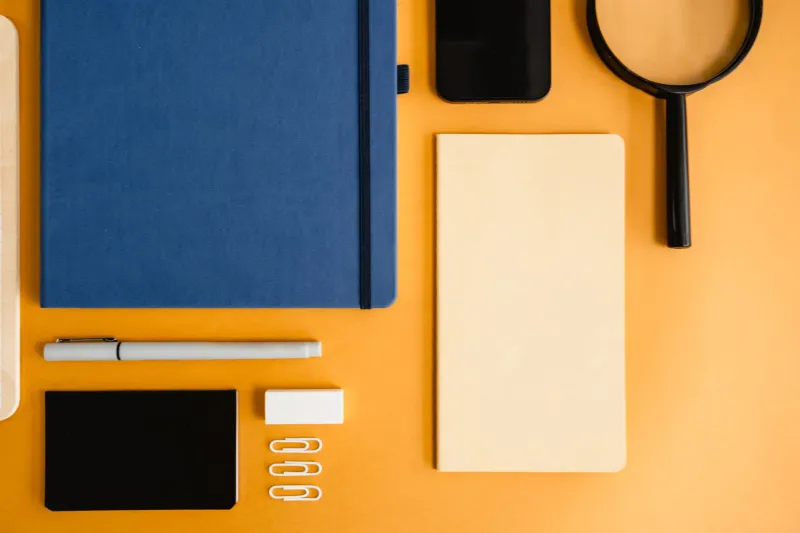
Photo: ScienceDawns, CC BY-SA 4.0, via Wikimedia Commons
In 2013, a designer named Ryder Carroll shared a personal planning system on the internet. It was called the Bullet Journal — a flexible, analog method for organizing tasks, notes, and goals in a single notebook using a simple set of symbols and structures. Carroll wasn't trying to start a movement. He was just trying to manage his own brain.
Fast forward to today, and "bujo" (the community's affectionate shorthand) has become a full-blown cultural phenomenon. Hashtags with hundreds of millions of views. YouTube channels dedicated entirely to journal setups. A market for analog planning tools that analysts have pegged north of $2 billion and growing. Specialty notebooks, brush pens, washi tape, stamp sets, and stencils have become their own cottage industry — and mainstream retailers can't keep dotted notebooks on shelves.
So what happened? And more importantly: if you've been curious about bullet journaling but don't know where to start, how do you cut through the aesthetic overwhelm and find a system that actually works for you?
Why Analog Planning Took Off in a Digital World
It might seem counterintuitive. We have apps for everything. Calendar software that syncs across every device. AI that can schedule your week. Why are millions of people — a lot of them Gen Z and millennials who grew up digital — reaching for a pen and notebook instead?
A few things are happening at once.
First, there's the tactile factor. Writing by hand engages the brain differently than typing. The physical act of moving a pen across paper, forming letters, drawing a box and checking it off — it creates a kind of presence that screen-based tools often don't. For people who feel like their days disappear into a blur of notifications and open tabs, a physical planning practice can feel grounding in a way that's hard to quantify but easy to feel.
Second, there's flexibility. Most digital planners force you into a structure. The bullet journal is a blank canvas — you build exactly the layouts you need and nothing you don't. That appeals to people who've bounced between five different apps and still feel disorganized.
Third — and this one's worth naming — there's aesthetic pleasure. The bullet journal community on Instagram and TikTok is full of gorgeous spreads: hand-lettered headers, watercolor accents, color-coded habit trackers. For a lot of people, especially those who work in creative fields, the act of designing a beautiful planner page is itself satisfying. It's a form of making.
The Notebook Question: Where Most People Get Stuck
Here's where new bullet journalists tend to overthink things: the notebook.
The original Bullet Journal method was built around the Leuchtturm1917 A5 dotted notebook, and it remains one of the most popular choices for good reason — it has numbered pages, a built-in index section, and a dot grid that's subtle enough not to compete with your writing. But it's far from the only option, and the "best" notebook genuinely depends on how you plan to use it.
Paper weight matters more than most beginners realize. If you're using markers, brush pens, or watercolors in your spreads, you need paper that won't bleed through or buckle. Look for notebooks with paper in the 100gsm range or higher for mixed-media use. For everyday writing and fine-tipped pens, 80gsm is usually fine and keeps the notebook from becoming a brick you don't want to carry.
Grid style is a personal thing. The classic dot grid is the most popular for bullet journaling because the dots guide your lines and boxes without imposing a rigid structure. But some people genuinely prefer a light ruled line or a square grid. And a surprising number of experienced bullet journalists eventually migrate to blank paper, once they trust themselves to lay out a page without guides. There's no wrong answer — just try a few.
Size is a lifestyle decision. A5 (roughly 5.5" x 8.5") is the sweet spot for most people — big enough to spread out, small enough to throw in a bag. If you're doing elaborate weekly spreads with lots of visual elements, you might want A4 or even a larger sketchbook format. If your planning is minimal and you want something truly portable, B6 or pocket-sized notebooks are worth exploring.
The Tools That Actually Get Used
The bujo community can make it look like you need a full art supply cart to get started. You don't. But a few tools genuinely make the experience better.
A good pen is non-negotiable. Most bullet journalists swear by Staedtler Triplus Fineliners, Micron pens, or Muji gel pens for everyday writing. They're smooth, they don't bleed on most notebook papers, and they come in enough colors to keep things interesting without turning your planning session into a full art project.
A ruler or straight edge sounds boring but is genuinely useful if you like clean layouts. Compact stainless steel rulers are popular in the community for a reason.
Washi tape is optional but fun — it's a quick way to add visual interest, mark sections, or just make a page feel finished. It's also forgiving, which beginners appreciate.
What you probably don't need right away: brush lettering sets, stencil kits, stamp collections, watercolor palettes. Those are rabbit holes for later, if you want them. Start simple.
Finding Your Planning Personality
The bullet journal community contains multitudes, and the system you build should reflect how your brain actually works — not how someone else's brain works.
If you're a list person, a simple daily log with task bullets and quick notes might be all you need. Minimal decoration, maximum function. The classic Bullet Journal method as Carroll designed it is actually quite stripped down.
If you're a visual thinker, weekly spreads with color-coded categories, habit trackers, and mood logs might help you see patterns in your life that a list wouldn't reveal.
If you're managing a lot of projects, a robust index system and dedicated collection pages for each project can turn a notebook into a genuinely powerful work tool — something a lot of freelancers and small business owners have discovered.
If you're drawn to the wellness angle — tracking sleep, water intake, moods, workouts — the bullet journal is remarkably good at this. It's one of the reasons the format resonates so strongly with people navigating burnout or trying to build better habits.
The Real Secret
Here's the thing nobody tells you when you first fall into a bullet journal rabbit hole: the perfect spread doesn't exist. The most beautiful notebook in the world won't make you more organized if the system doesn't match how you actually live.
The bullet journal works — when it works — because it's built by you, for you, and it can change as you change. Start with a notebook you like holding, a pen that feels good, and one or two simple layouts. Give it a month. Then adjust.
The stationery community has made it easier than ever to find quality supplies that match your style and budget. But the system itself? That's just paper and intention. Turns out that combination is pretty powerful.