Keep the Artifact: In Defense of the Crumpled Paper Left Behind After a Big Meeting
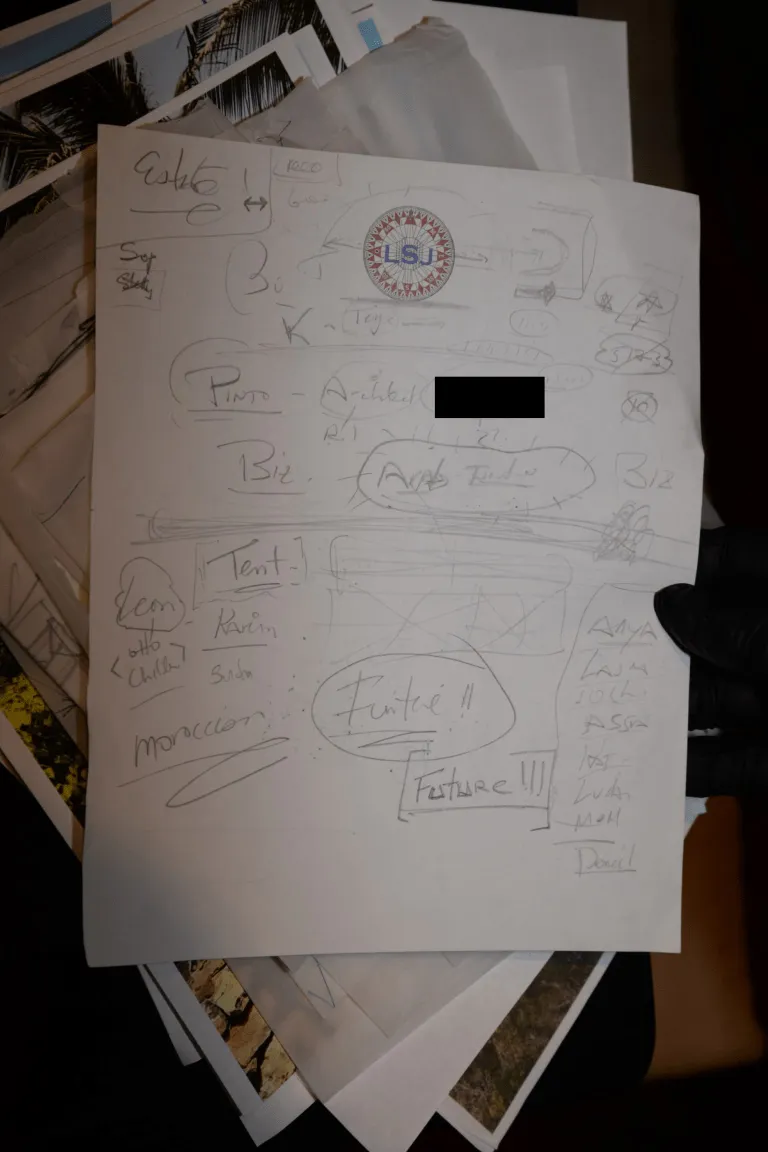
Photo: Federal Bureau of Investigation, Public domain, via Wikimedia Commons
Walk through any design studio, startup loft, or agency conference room the morning after a big session, and you'll find the same archaeology: a folded paper prototype of an app screen, a torn-out sketch with three arrows stabbing at a margin, a printed mockup taped to the window with the rejected version crumpled beside it.
The facilities crew sees trash. I'd argue it's the opposite — it's the most complete record of how the decision actually got made that your company owns.
The Shared Doc Tells You What Was Decided. The Paper Tells You Why.
We've gotten very good at documenting outcomes. The meeting notes go in Notion, the slides go in Drive, the action items land in Asana. What all of these capture is the conclusion — the clean, sanitized version of the decision after the mess was tidied away.
What none of them capture is the process. The moment someone folded a printout in half and said "what if it worked like this?" The sketch that got torn in half because half the idea was right. The mockup on the wall that everyone kept walking past until, on the third pass, someone finally said "wait — that's it."
Physical artifacts hold the reasoning. A folded prototype isn't just a low-fidelity mockup; it's proof that someone believed the interaction could be understood before a single line of code was written. That's institutional knowledge, and it's exactly the kind that evaporates when the team scatters.
Analog Artifacts Have a Strange Staying Power
There's also a practical, slightly superstitious argument: paper survives. Ask anyone who's worked somewhere longer than five years what happened to the files from the big pivot. Half the time the cloud folder is orphaned, the tool migrated, the links rotted. But the taped-up wall of sketches from that week? Somebody photographed it. Somebody kept the folder of torn sheets in their desk. Physical things get carried forward by hand, and hands are more reliable than hyperlinks.
There's a reason the founding documents of most great companies — the Amazon door-desk letter, the original HP garage scribbles — are pieces of paper. Nobody decided to preserve them. They just survived.
The Case for Keeping One Thing
I'm not suggesting you archive every coffee ring and crumpled Post-it. That's hoarding with better branding. But I've started advocating for a simple ritual: after every major decision, keep one artifact.
The folded prototype that sold the concept. The torn sheet with the final layout sketched at 4:45 PM. The printed page where someone crossed out the plan and wrote the real one underneath.
Date it. Write three lines on the back — what the decision was, who was in the room, what you almost did instead. Then it goes in a folder, a box, a drawer. That's it. Ten seconds of effort.
A year later, when a new hire asks "why does the product work this way?" you won't forward them a forty-page deck. You'll hand them a piece of folded paper and tell them the story. And I promise you which version they'll remember.
The Mess Is the Message
We tend to think of clean documentation as professionalism and paper mess as chaos. But the mess after a good meeting isn't the opposite of documentation — it's the raw draft of it. The shared doc is the press release. The artifact is the journalism.
So before the cleaning crew comes through tomorrow morning, take one last look at that conference table. Pick the one piece of paper that captures what actually happened in that room. Keep it.
Your future team will thank you — probably while unfolding it for the hundredth time.