When the CEO Ditched the Dashboard: What Happened When One Leader Ran the Whole Company on Paper
There's a moment a lot of executives know well — the one where you're staring at a project management dashboard, every status bar green, every task marked complete, and yet something still feels off. The numbers say everything is fine. Your gut says otherwise.
For Rachel Simmons, founder and CEO of a mid-sized marketing agency in Austin, Texas, that moment came on a Tuesday afternoon in early spring. She had three major client campaigns in motion, a product launch on the horizon, and a team of eighteen people. Her digital dashboard showed zero overdue items. Two weeks later, one of those campaigns nearly missed a critical client deadline.
"Everything looked good on the screen," she recalls. "But nobody actually had a clear picture of where things stood. The tool was tracking tasks. It wasn't tracking reality."
So she did something that raised more than a few eyebrows in her open-plan office: she printed everything out.
The Stack Heard 'Round the Conference Room
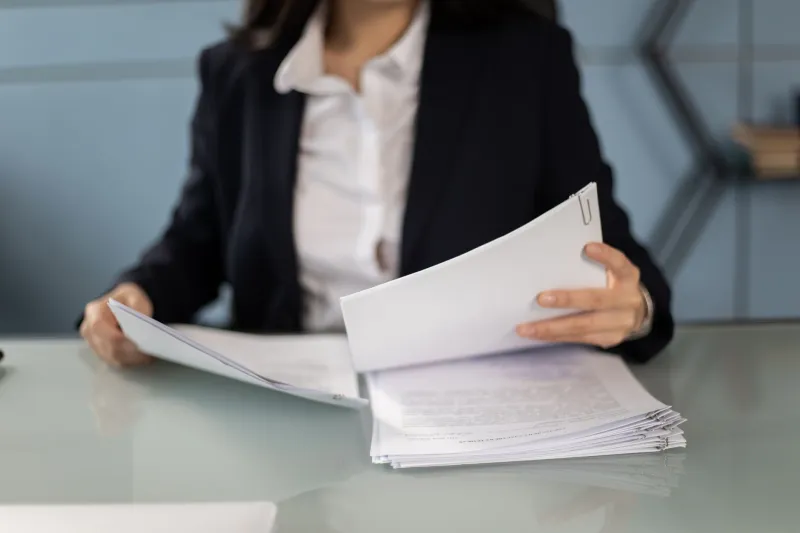
What started as a temporary fix became a six-month experiment that reshaped how her entire leadership team worked. Simmons replaced her company's digital project boards with a physical filing system — a combination of color-coded manila folders, large-format project sheets, and a dedicated paper tray for each active client account, all organized on a rolling cart parked in the center of the office.
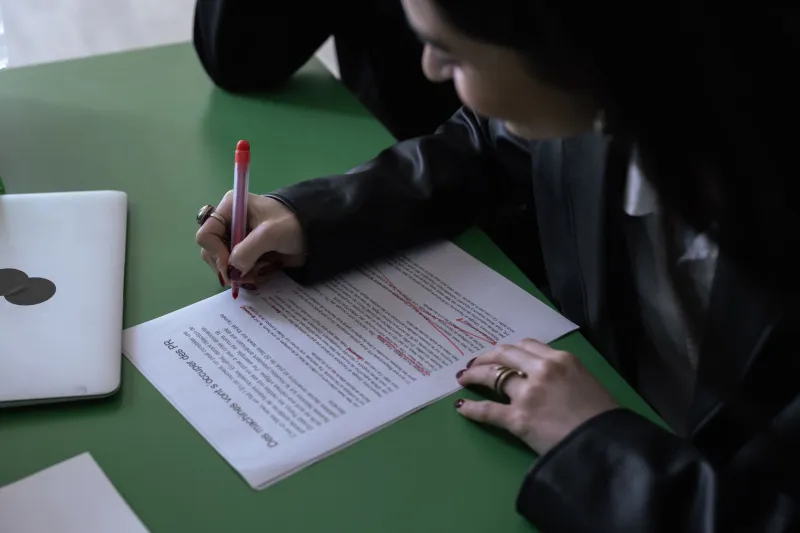
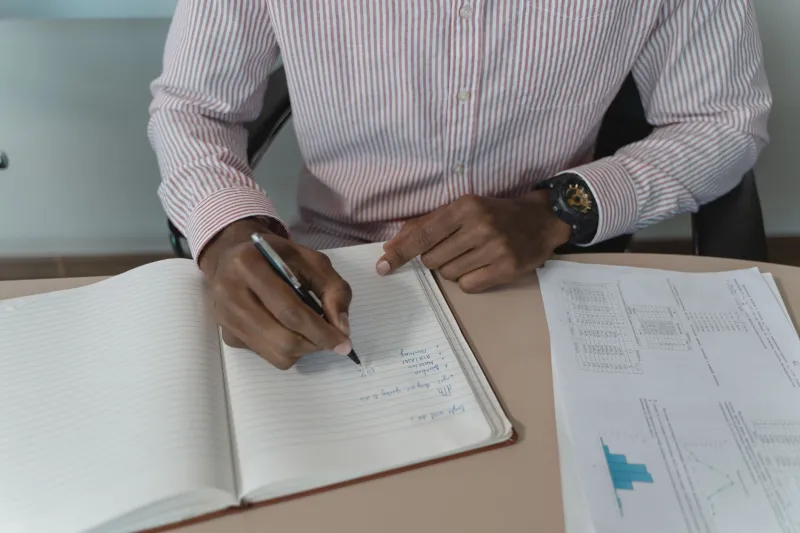
Every project got a physical home. Every deliverable lived in a folder you could hold. Status updates were handwritten on printed project sheets and slipped back into the appropriate tray at the end of each week.
It sounds almost comically analog in 2024. But the results were hard to argue with.
"The first thing I noticed was that people started stopping at the cart," Simmons says. "They'd walk by and flip through a folder. Spontaneous conversations started happening that never would have occurred over Slack."
Why Visible Work Hits Different
There's a reason Simmons's experiment worked, and it has roots in some well-documented psychology. When work exists only on a screen, it's invisible the moment you close the tab. Out of sight, genuinely out of mind. But a physical stack of folders, a tray that's overflowing versus one that's nearly empty — that communicates project health in a way no dashboard metric quite replicates.
Researchers who study workplace cognition have noted that tangible representations of work engage our spatial memory in ways digital interfaces don't. You remember where something is in a physical space. You notice when it's growing, shrinking, or sitting untouched. The visual weight of a thick project folder carries implicit information that a green status dot simply cannot.
For Simmons's team, that visibility created a new kind of accountability — one that didn't feel punitive, but just felt real. When a folder was light, people noticed. When a tray was overflowing, it was obvious that someone needed help.
The Accountability Shift Nobody Expected
One of the more surprising outcomes of the paper experiment was how it changed the way team members talked to each other about their work. In the digital-only world, status updates were typed into a system and largely disappeared. In the paper world, those same updates were written on a sheet that sat in a shared space.
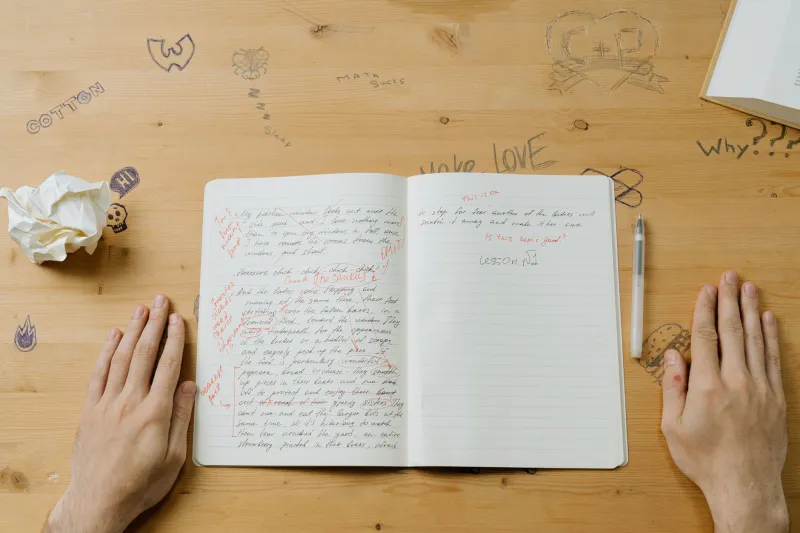
"People started owning their updates differently," Simmons explains. "When you write something down and it's going to sit on a cart in front of your whole team, you're more honest. You're not going to write 'on track' if you know it's not on track."
This tracks with what behavioral researchers call the commitment effect — the phenomenon where writing something down, especially in a visible and social context, increases follow-through. Typing a status into a field feels private, almost throwaway. Handwriting it on a sheet that lives in a shared physical space feels like a small public declaration.
For leaders trying to build cultures of accountability without micromanagement, that distinction matters enormously.
What the Paper Couldn't Do (And Why That Was Fine)
Simmons is the first to admit the system had limits. Remote team members couldn't physically access the cart, which meant she maintained a parallel digital log for anyone working outside the office. Searching for archived information was slower. And the system required a weekly reset — someone had to tidy the folders, archive completed projects, and prep new sheets for incoming work.
But here's what she found: those friction points weren't bugs. They were features.
The weekly reset became a ritual. Every Friday afternoon, her operations lead spent about forty-five minutes cycling through the folders, and that process forced a genuine review of every active project. Not a glance at a dashboard — an actual, tactile engagement with the state of the business.
"We caught things in that reset that we'd been missing for months," she says. "Small things that would have become big problems. The act of handling the folders made us look at them."
Practical Lessons for Leaders Thinking About Going Paper-Forward
You don't have to go full analog to borrow something useful from Simmons's experience. Here's what she'd tell other executives considering a hybrid or paper-forward approach to project oversight:
Start with one team or one type of project. Don't try to overhaul everything at once. Pick a single client account or internal initiative and run it on paper for sixty days. See what surfaces.
Make the system visible and shared. A folder that lives in your desk drawer defeats the purpose. The physical system works because it's communal. Put it somewhere people walk past.
Build in a weekly review ritual. The paper doesn't work on autopilot. Schedule time — even thirty minutes — to physically handle the folders, update the sheets, and assess what's moving and what isn't.
Use quality materials. This sounds like a small thing, but it isn't. Cheap folders that fall apart, flimsy paper that tears — these things subtly undermine the system's credibility. When the materials feel substantial, people treat the system with more care. (PaperKart carries everything you'd need to build a setup like this, from heavyweight project folders to broad-ruled summary sheets that hold up to repeated handling.)
Don't try to replicate the digital tool. The paper system isn't trying to be Asana or Monday.com. It's doing something different — creating presence, visibility, and tactile accountability. Lean into what it does well rather than forcing it to do what software already handles.
The Bigger Takeaway
Simmons eventually reintegrated some digital tools into her workflow — mostly for remote collaboration and archiving. But the paper cart is still rolling in the middle of her Austin office. She has no plans to retire it.
"I used to think the goal was to have fewer physical things," she says. "Now I think some things deserve to take up space. The work is real. It should look real."
For leaders who've felt the quiet unease of a dashboard that says everything is fine while something clearly isn't, that might be the most honest productivity advice out there.
Sometimes the clearest picture of your business isn't on a screen. Sometimes it's sitting in a tray, waiting to be picked up.