Green Label or Green Lie? How to Actually Tell the Difference When Buying Sustainable Paper
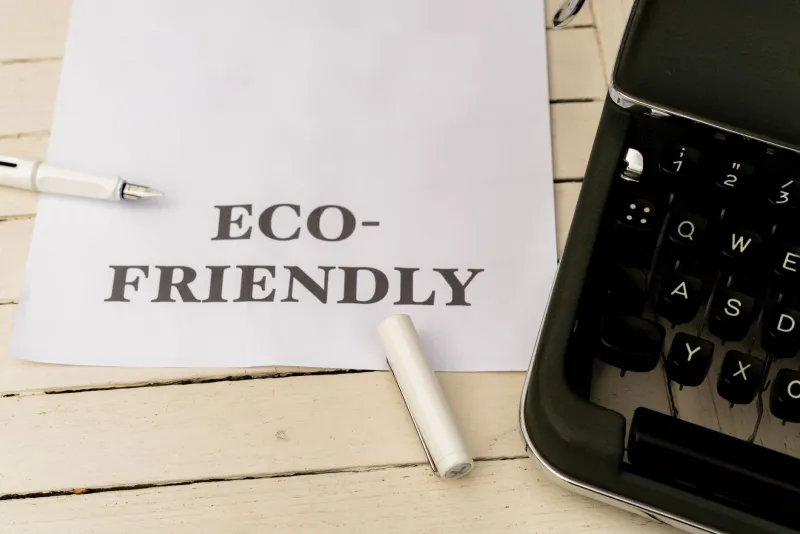
Walk into any office supply aisle — or scroll through any stationery site — and you'll be swimming in green leaves, recycled symbols, and bold claims about saving forests. "Responsibly sourced." "Carbon-conscious." "Eco-certified." It sounds great. It's supposed to.
But here's the uncomfortable truth: a lot of what gets marketed as sustainable paper doesn't hold up under scrutiny. Some of it is genuinely impactful. Some of it is little more than a coat of green paint on the same old product. Knowing the difference isn't just good for the planet — it's good for your business reputation and your budget.
So let's break it down, plainly and honestly.
The Certification That Actually Means Something
If you take one thing away from this article, let it be this: FSC certification is real, and it matters.
The Forest Stewardship Council (FSC) is an independent, nonprofit organization that sets rigorous standards for responsible forest management. When paper carries the FSC label, it means the wood fiber was sourced from forests that are managed with attention to biodiversity, worker rights, and long-term ecological health. There's a verified chain of custody from forest to finished product.
This isn't a self-reported badge. Third-party auditors check the work. That's what separates FSC from a lot of the lookalike certifications you'll encounter.
You'll also come across the PEFC (Programme for the Endorsement of Forest Certification), which operates similarly and is widely respected, particularly for products sourced from European forests. Either of these logos on your paper or notebooks is a legitimate signal that someone upstream was paying attention.
What you should be skeptical of: vague phrases like "sustainably harvested" or "forest-friendly" with no third-party verification behind them. These are marketing terms, not standards.
Recycled Content: Good, But Read the Fine Print
Recycled paper is genuinely better than virgin paper in most environmental comparisons — lower water use, lower energy consumption, reduced landfill pressure. But "recycled" is another term that deserves a closer look.
Paper can be made from pre-consumer recycled content (manufacturing scraps and trimmings that never made it to a consumer) or post-consumer recycled content (paper that was actually used, collected, and reprocessed). Post-consumer recycled content is the more impactful of the two, because it's diverting material that would otherwise end up in a landfill.
When a product says "30% recycled," ask: recycled how? Look for post-consumer waste (PCW) percentages on the label. A notebook made with 100% post-consumer recycled content is doing a lot more work environmentally than one with 10% pre-consumer scraps mixed in.
The gold standard here is paper certified by both FSC (for responsible sourcing) and carrying a high PCW percentage. That combination is hard to fake and genuinely impactful.
Carbon-Neutral Claims: Proceed With Caution
This is where things get murky fast. "Carbon neutral" and "carbon offset" have become popular selling points, but the mechanics behind them vary wildly.
Some companies invest in verified carbon offset programs — things like reforestation projects or methane capture initiatives that are independently audited through standards like Gold Standard or Verified Carbon Standard (VCS). These are legitimate.
Others buy cheap, unverified offsets that don't actually result in measurable carbon reduction. A paper company can technically call itself "carbon neutral" by purchasing offsets without changing a single thing about how it manufactures, ships, or packages its products.
For businesses buying stationery in volume, this matters. If a vendor is making carbon-neutral claims, it's fair — and smart — to ask which offset registry they use and whether it's independently verified. A reputable supplier will have a straight answer.
What About Chlorine-Free and Acid-Free?
These two terms come up a lot in paper specs, and they're worth understanding.
Chlorine-free processing refers to how paper is bleached. Traditional chlorine bleaching produces dioxins, which are toxic to both ecosystems and humans. Totally Chlorine Free (TCF) and Processed Chlorine Free (PCF) are both improvements, with TCF being the cleaner option for virgin fiber paper and PCF applying to recycled content paper.
This one genuinely matters for environmental impact, particularly for waterways near paper mills. If you're sourcing high-volume office paper, it's worth checking.
Acid-free paper, on the other hand, is primarily about longevity — it won't yellow or degrade as quickly. It's important for archival documents and fine stationery, but it's more of a quality claim than an environmental one. Don't let it be the thing that tips your sustainability decision.
The Shipping Problem Nobody Talks About
Here's something that gets overlooked: even if you're buying the most responsibly produced paper on the market, how it gets to you matters.
Shipping heavy paper products across the country has a real carbon footprint. A few things worth considering:
- Consolidated shipping (ordering in larger quantities less frequently) is almost always better than frequent small orders.
- Some suppliers offer carbon-offset shipping through verified programs — that's worth prioritizing over standard options.
- Buying from suppliers with US-based distribution centers reduces transit distance compared to products shipped from overseas.
For businesses that order stationery and office supplies regularly, these decisions add up. Building a relationship with a supplier who thinks about this stuff is genuinely more impactful than agonizing over whether your sticky notes have a recycled symbol.
The Bottom Line for Conscious Buyers
Sustainable paper purchasing doesn't have to be complicated, but it does require a little skepticism. Here's a quick decision filter:
- Look for FSC or PEFC certification — these are the real deal.
- Prioritize high post-consumer recycled content when buying recycled paper.
- Ask about carbon offset verification before trusting carbon-neutral claims.
- Check for chlorine-free processing if you're buying in volume.
- Think about shipping habits, not just product specs.
The paper industry has made real progress on sustainability over the past decade. But it's also gotten very good at packaging that progress in ways that look bigger than they are. As a buyer — whether you're stocking an office or curating your own creative workspace — you have more power than you think. You just have to know what to look for.