Twelve Under $25: The Desk Upgrades That Make a Home Office Feel Expensive

Photo: Dietmar Rabich, CC BY-SA 4.0, via Wikimedia Commons
There's a gap between the home office you see on video calls and the one you actually work in. Up top: clean desk, good lighting, a plant doing its best. Down below and in the drawer: a jumble of freebie pens, sticky notes from a 2021 conference, and printer paper doing triple duty.
Closing that gap doesn't take money so much as intention. Paper goods are the fastest, cheapest way to make a workspace feel considered — and to make your actual workday run smoother. Here are twelve picks, all under $25, that earn their spot.
The Writing Surface Upgrades
1. A thick, weighted notepad (around $14). A heavy-duty pad with a substantial backing doesn't slide around or fold when you're writing on your lap during a call. Why it earns its spot: it makes note-taking feel deliberate instead of disposable.
2. Japanese loose-leaf paper (about $12 for a pack). If you've never written on proper Tomoe River–style or high-grade loose-leaf, the difference is genuinely startling — thin, smooth, and fountain-pen friendly. Why it earns its spot: it turns everyday notes into something you don't want to throw away.
3. A dot-grid notebook, hardcover ($18–22). Dots give you structure without the tyranny of lines. Why it earns its spot: one notebook that handles meeting notes, sketches, and weekly planning without a second thought.
4. A leather-look desk pad blotters ($20ish). Technically not paper, but it frames everything on your desk like a magazine spread. Why it earns its spot: instant visual upgrade, and it protects the desk you're stuck with.
The Tools That Touch the Paper
5. A three-pack of quality gel pens ($15). Find one model you love — smooth, quick-drying, no smudges — and buy multiples. Why it earns its spot: you stop thinking about your pen entirely, which is the whole point.
6. A nice mechanical pencil ($20). The kind with actual weight to it. Why it earns its spot: pencils are for thinking; a good one makes rough drafts feel like part of the craft.
7. Index cards, the good kind ($8). Not for flashcards — for one-idea-per-card thinking, the method behind a lot of famous novels and speeches. Why it earns its spot: it's the cheapest idea-management system ever invented.
8. A brass or steel pen cup ($15–25). Your pens deserve better than a mug from a trade show. Why it earns its spot: it makes the whole desk look intentional on camera.
The Organizing Layer
9. A desktop file sorter in a real color ($18). Corrals the papers that otherwise colonize your keyboard. Why it earns its spot: a clean horizontal surface is a productivity feature, not a luxury.
10. Kraft or colored folders, a dozen pack ($12). Color-code your projects and your future self will find things in seconds. Why it earns its spot: cheap insurance against the "where did I put that" spiral.
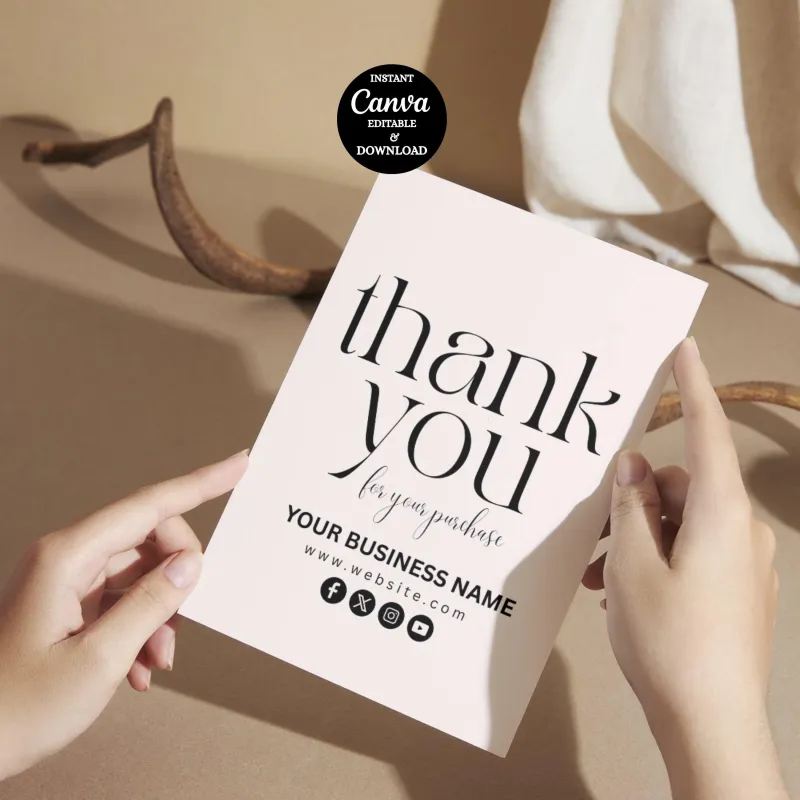
11. A small stack of nice thank-you cards ($15). Handwritten follow-ups after client calls and interviews are absurdly underrated. Why it earns its spot: it's networking that doesn't feel like networking.
12. One genuinely beautiful notebook you're slightly afraid to use ($25). Everyone needs one. The trick: use it. Why it earns its spot: a premium notebook reserved for your best thinking changes how you treat your own ideas.
Total Damage: Roughly $180 — Or Pick Three for $50
You don't need the whole list. Start with the weighted pad, the gel pens, and the dot-grid notebook, and your desk will already look and feel different within a week. The rest can trickle in.
The through-line here isn't aesthetics for aesthetics' sake. It's that the physical quality of your tools quietly sets the standard for the work you do with them. Corner-suite energy, big-box prices.