Cute Box, Empty Drawer: The Hard Truth About Stationery Subscriptions
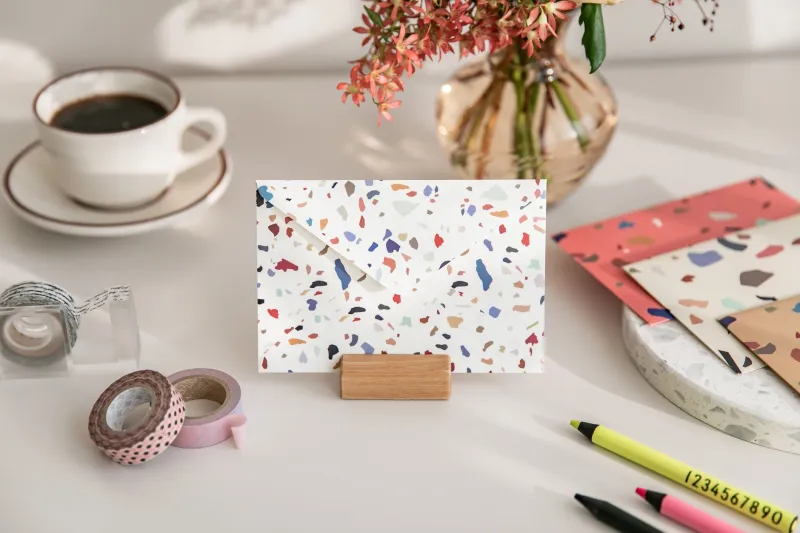
There's a particular kind of excitement that hits when a stationery subscription box lands on your doorstep. The tissue paper. The little card explaining the theme. The satisfying rustle of washi tape rolls nestled against a notebook you didn't know you needed. It feels like a gift — even though you paid for it yourself.
That feeling is entirely by design.
The stationery subscription market has exploded over the last several years, with boxes ranging from $15 to $50 or more per month, each promising a curated experience tailored to paper lovers, bullet journalers, and office enthusiasts. And while there's nothing inherently wrong with enjoying a well-assembled box, it's worth asking an honest question: how much of that stuff actually ends up doing anything?
The Curation Illusion
Subscription box companies are very good at making ordinary products feel extraordinary. Part of that is presentation — and honestly, they deserve credit for it. Tissue paper, custom stickers, and branded packaging genuinely do elevate the unboxing experience. But presentation can also serve as a kind of smoke screen.
A $3 ballpoint pen wrapped in kraft paper and tied with twine hits differently than the same pen sitting in a bin at an office supply store. The ritual of unwrapping creates perceived value where the actual product value may be pretty modest. Marketers know this. The box isn't just packaging — it's part of the product.
Algorithmic curation plays into this too. Many subscription services track what's trending on social media — particularly Pinterest and Instagram — and reverse-engineer their boxes to match the aesthetic of the moment. So if cottagecore journaling is having a moment, you'll probably get a floral-printed notebook and a sealing wax kit you'll use exactly once. The box feels personal. It's actually pattern-matched to a trend.
FOMO as a Business Model
Limited-edition items are the engine that keeps subscribers locked in. "This item won't be available anywhere else" is a sentence that short-circuits rational purchasing decisions for a significant portion of the population. And stationery brands — subscription-based and otherwise — have gotten very good at deploying it.
Here's the thing about scarcity in the paper products world: most of it is manufactured. A notebook with a specific cover design is not a rare artifact. It's a product with a controlled print run, timed to create urgency. The paper inside is almost certainly the same paper you'd find in a dozen other notebooks. The "exclusivity" lives entirely in the cover art and the marketing copy.
That's not a moral failing on the part of these companies — scarcity is a legitimate business lever. But as a buyer, it helps to recognize when you're responding to genuine value versus a well-executed fear of missing out.
What Actually Gets Used
Here's a useful exercise: go open the drawer, shelf, or bin where your stationery lives. Count the notebooks you haven't started. The pens you've never uncapped. The washi tape rolls you bought because the pattern was too good to pass up.
For a lot of people, that inventory is substantial. And that's not a personal failure — it's the predictable outcome of buying based on aesthetic appeal and novelty rather than actual workflow need.
The paper products that earn their place in a working professional's life tend to share a few characteristics. They fit how that person actually works, not how they imagine themselves working. A beautiful leather-bound journal means nothing if you're a list-maker who needs a legal pad. A set of fine-liner pens is a great investment if you sketch or annotate; it's clutter if you mostly dash off quick notes in meetings.
Usability, in other words, is the only metric that matters in the long run.
A Framework for Auditing Your Own Habits
Before you cancel your subscription (or sign up for one, or upgrade to the deluxe tier), it's worth running a quick audit. These four questions can help cut through the noise:
1. Does it fit your actual workflow? Not your aspirational workflow. Not the journaling practice you're planning to start. Your current, real, day-to-day routine. If you work primarily at a desk in front of a computer, do you need a portable notebook set? If you already have twelve pens that work fine, does a new set solve a problem or just add visual variety?
2. Would you buy it individually at full price? Subscription boxes often succeed by bundling items you'd never purchase on their own. If a product showed up on a shelf and you walked right past it, receiving it in a box doesn't change its utility. It just changes how you feel about it in the moment.
3. What's your backlog? If you currently have more unused stationery than you could realistically work through in six months, adding more to the pile isn't a productivity strategy — it's accumulation. There's a difference between a well-stocked supply and a storage problem.
4. Is the subscription serving you or entertaining you? This one's the honest one. Some people genuinely get value from the discovery aspect of subscription boxes — they find products they love and would never have tried otherwise. Others are essentially paying for a monthly unboxing experience that ends with a pile of stuff they don't use. Both are fine, as long as you know which one you are.
The Case for Buying Deliberately
None of this is an argument against enjoying stationery. Paper products genuinely do make work better, more organized, and more satisfying — that's kind of the whole point of a site like PaperKart. But there's a meaningful difference between buying well and buying constantly.
The professionals who get the most out of their paper supplies tend to be pretty intentional about what they bring into their rotation. They find a notebook format that works and stick with it. They identify two or three pens they actually like and keep them stocked. They're not immune to the appeal of a beautifully designed product, but they're asking a different question: not "is this nice?" but "will I actually use this?"
That shift in framing — from collection to toolkit — changes everything about how you shop. It makes you harder to market to, sure. It also makes every item on your desk earn its spot.
The best stationery isn't the stuff that arrives in the most exciting box. It's the stuff you reach for without thinking, every single day, because it does exactly what you need it to do.
Start there. Build from there. And maybe skip next month's box.